Secondary containment exists for a simple reason: spills happen.
And if the U.S. Environmental Protection Agency (EPA) classifies the waste material as ignitable, corrosive, reactive, or toxic, the material is hazardous and facilities must prevent their release into the environment.
While stored commodities influence the primary protective system, they are only one consideration in secondary containment design. These systems must be developed within the broader context of the facility, the environments they could impact, and the consequences of a release.
The standard doesn't write the specification
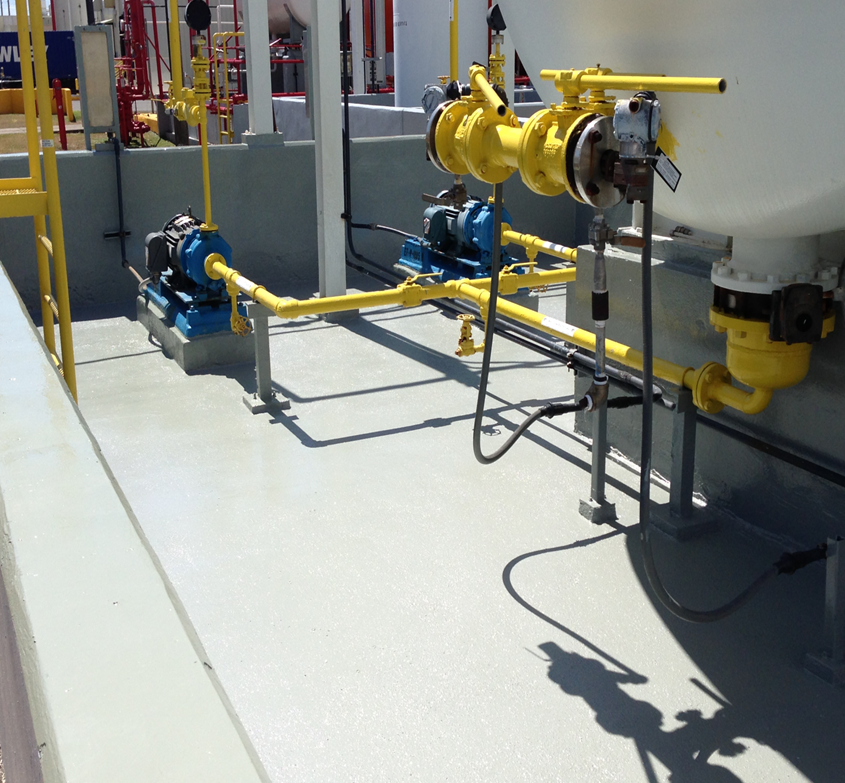
Chemical resistance should always be the first consideration when selecting a hazardous waste secondary containment system. If the coating cannot withstand the released material, little else matters.
The EPA's 40 CFR Part 264 standards provide guidance for how owners and operators of hazardous waste treatment, storage and disposal facilities should respond to spills of a certain nature and size. In addition, it discusses the importance of secondary containment plans and procedures.
According to this standard secondary containment systems must be:
- • Designed, installed and operated to prevent any migration of wastes or accumulated liquid out of the (primary containment) system to the soil, groundwater or surface water at any time during the use of the (tank) system; and
- • Capable of detecting and collecting releases and accumulating liquids until the collected material is removed.
A properly engineered industrial coating system will address all these issues, maximizing the performance of secondary containment in any/all environments.
This, however, is a broad explanation for what can be a rather tedious process. While standards establish the need for secondary containment, how to protect every containment system is up to the asset owner in partnership with secondary containment technical experts.
What else matters beyond hazardous waste chemical properties?
Concrete is the most common secondary containment system substrate, and it never remains completely static. Movement of the substrate is inevitable due to fluctuations in temperature and migration of moisture. Left unaddressed, cracks, shifting, and moisture vapor transmission can shorten the service life of even the most chemically resistant coating system.
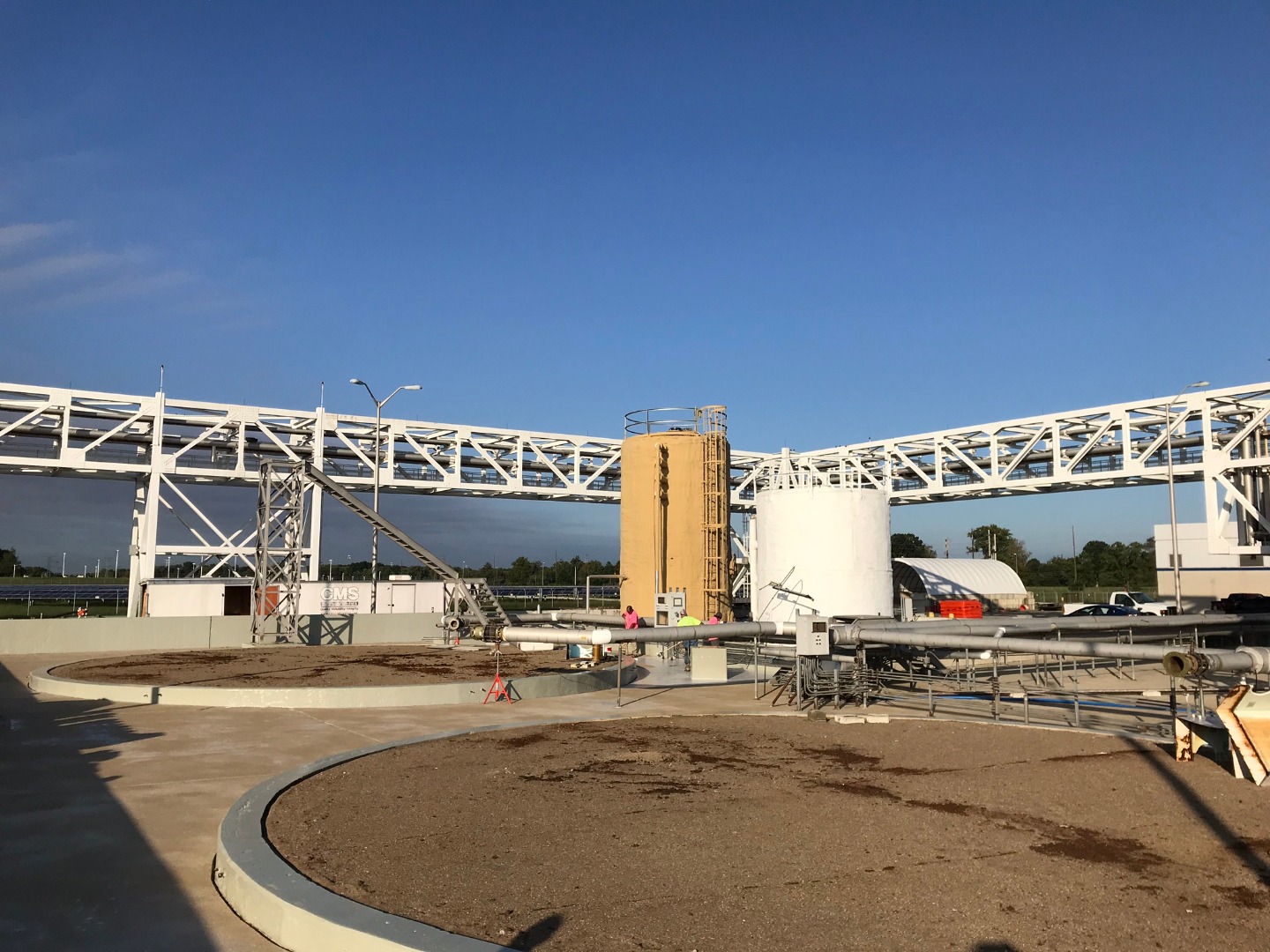
Secondary containment systems should be engineered within the context of the facility they protect. A containment floor designed for occasional splash-and-spill exposure presents a different challenge than a trench drain or sump pit, but neither exists in isolation.
The facility's broader footprint, its proximity to sensitive soil, groundwater, or waterways, and the potential consequences of an uncontained release must be considered in system design. As the environmental and operational risks increase, so does the need for more robust secondary containment.
And these containment failures rarely end with the spill itself. Equipment damage, operational disruptions, regulatory penalties, environmental remediation, public infrastructure repairs, reputational damage, and natural resource impacts often follow.
Those consequences reinforce a simple reality: every containment environment is unique. Engineering a secondary containment system is never one-size-fits-all.
The strongest specifications balance chemical resistance with substrate condition, constructability, and long-term performance rather than optimizing for a single property.
Dudick's Floor & Containment Site Tech Survey combines those variables into a single evaluation, helping engineers recommend systems aligned with the intended service environment.
Purpose-built Dudick technologies
Flexible technologies accommodate concrete movement before cracks compromise containment, while moisture mitigation systems manage vapor transmission that can weaken adhesion or create blistering.
No single technology solves every secondary containment challenge. Different service environments demand different engineering approaches, which is why secondary containment systems range from flexible epoxy technologies to high-performance vinyl esters.
| Product series | Type | Technology |
|---|---|---|
| Protecto-flex® | Flexible epoxy systems | Provides chemical resistance for splash-and-spill containment in environments where substrate movement is expected. Saves costs as compared to traditional mortar and glass systems. |
| Protecto-glass® | Integrally chemical resistant lining systems | Maximizes chemical resistance in the most aggressive containment environments. |
| Steri-series® | High-performance novolac epoxy flooring and wall systems | Provides seamless floor protection where chemical resistance, thermal stability, and long-term durability are critical. |
| Semstone® | Industrial resinous flooring/containment systems | Delivers durable, seamless protection with options tailored to varying levels of traffic, chemical exposure, and cleanability. |
No technology is designed to solve every containment challenge. Protecto-Flex® performs well where concrete movement and intermittent chemical exposure must be accommodated, while Protecto-Glass® is better suited for the most aggressive continuous chemical service.
Steri-Series® and Semstone® flooring systems expand those options further, allowing engineers to balance chemical resistance, traffic, aesthetics, and facility-specific operating requirements.
Remember, no product line replaces good engineering. The right technology is the one that best fits the environment it is expected to protect.
Design for the unexpected
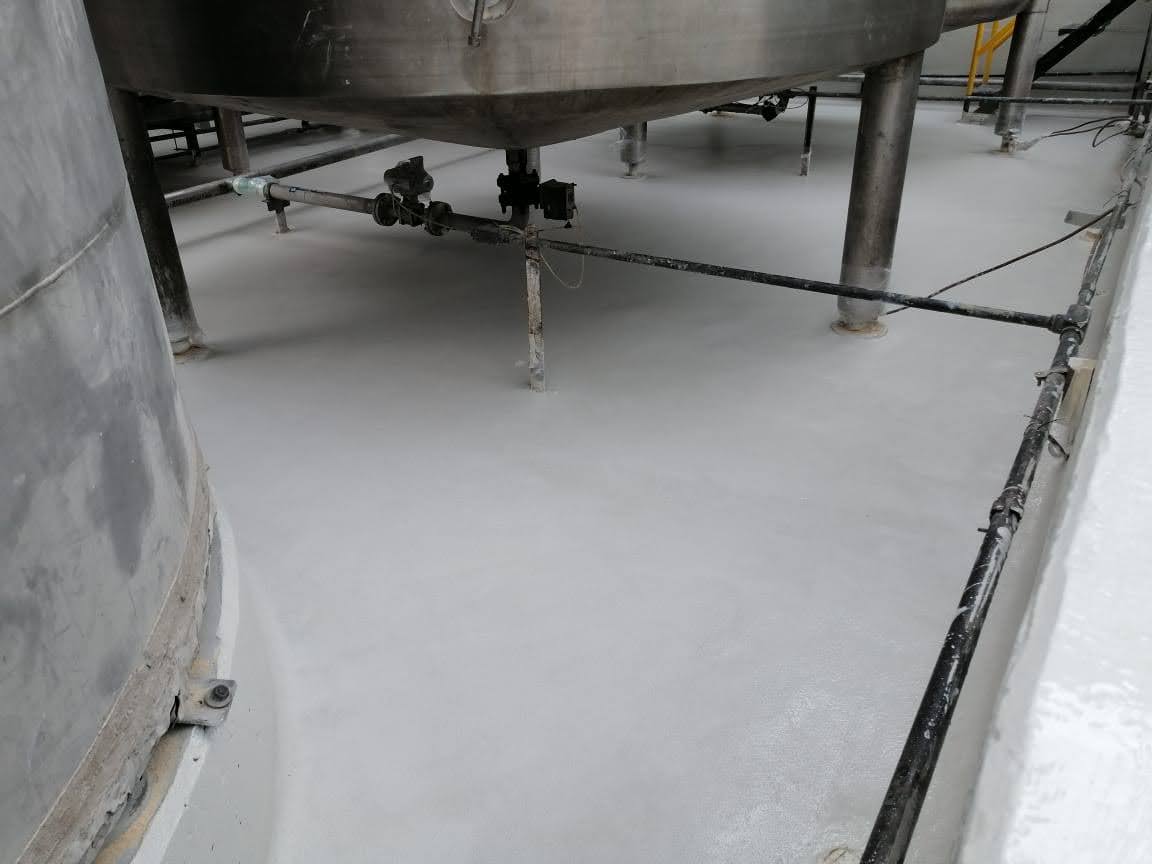
The possibility that a secondary containment system never performs its intended function can create a false sense of security. After all, it's the backstop for primary containment. How much effort does this really deserve?
The consequences of neglect escalate quickly.
When a spill occurs, there is little opportunity to rethink the engineering decisions that came before it. A single failure can contaminate waterways, put surrounding communities at risk, and leave behind environmental and financial consequences that far outlast the spill itself.
Remember, "secondary" doesn't mean less important. It's the last line of defense before a spill graduates from a problem to a headline.