Mining and metal processing operations expose assets and infrastructure to abrasive slurries, chemical immersion, thermal cycling, physical impacts, and other harsh conditions.
Aggressive exposures require durable coatings that withstand changing temperatures, UV and weathering exposures, and site pollutants.
Global firms processing multiple commodity types across the world's variable climates depend on high-performance protective systems with proven field performance.
Carboline coatings and linings have enhanced the durability and lifecycle performance of a range of mining collection and processing assets worldwide since the 1940s.
One company – multiple exposures
Projects in this section provide a glimpse into the range of exposure types a global aluminum producer experienced, which required heavy-duty protective solutions.
Fort Meade, Florida (1974):
During its operation, the producer's Fort Meade plant received hydrofluorosilicic acid and other process waste products from across its facilities in the region. This part of Florida is rich in phosphate, a vital feedstock for some aluminum products; hydrofluorosilicic acid is also necessary in aluminum refining.
The complex processes at the site exposed surrounding steel assets to persistent acid vapors that settled onto their surfaces, accelerating corrosion if those surfaces were unprotected.
Three storage tank exteriors at the plant were coated with Carbomastic® 15, an epoxy mastic renowned for its excellent wetting properties, surface tolerance, and barrier protection. Though usually specified as part of a multi-coat system, Carbomastic 15 is an effective single-coat solution proven to perform against atmospheric and polluting exposures due to the properties imparted by its unique lamellar aluminum pigmentation. The long, flat geometry of the aluminum flakes impedes penetration of moisture better than pigments featuring a more rounded shape. That shape also contributes to improved resistance to degradation via UV light.
In short, it was a phenomenal no-fuss solution that saved the producers time and money when compared to a multi-coat alternative.
Badin, North Carolina (2004):
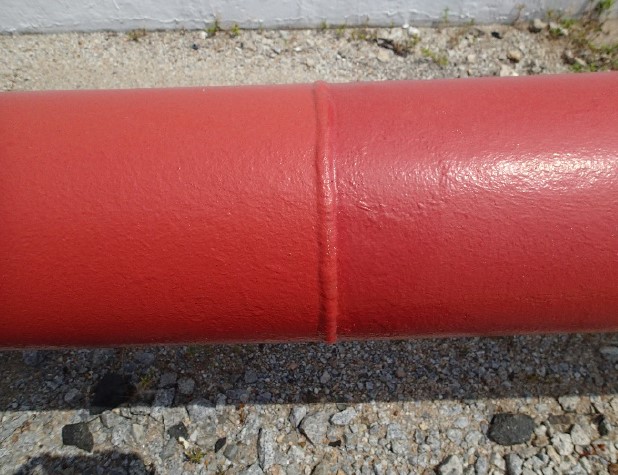
The function of penstocks creates a complex environment where their exteriors face frequent or constant moisture from condensation, weathering, and UV exposure, as well as occasional abrasion or impact depending on their surroundings. At Badin Lake, the penstock required a new, durable coating system to extend its service life under these difficult conditions.
Once again, Carbomastic 15 was specified, this time as the primer in a two-coat system. Its surface tolerance and wetting properties make it ideal for encasing the tightly adhered existing coatings; blasting back to bare steel was not necessary, so this created some savings. Carboxane 2000, a polysiloxane finish, provided long-term weathering resistance, low permeability, and superior UV durability.
Deschambault-Grondines, Québec (2022):
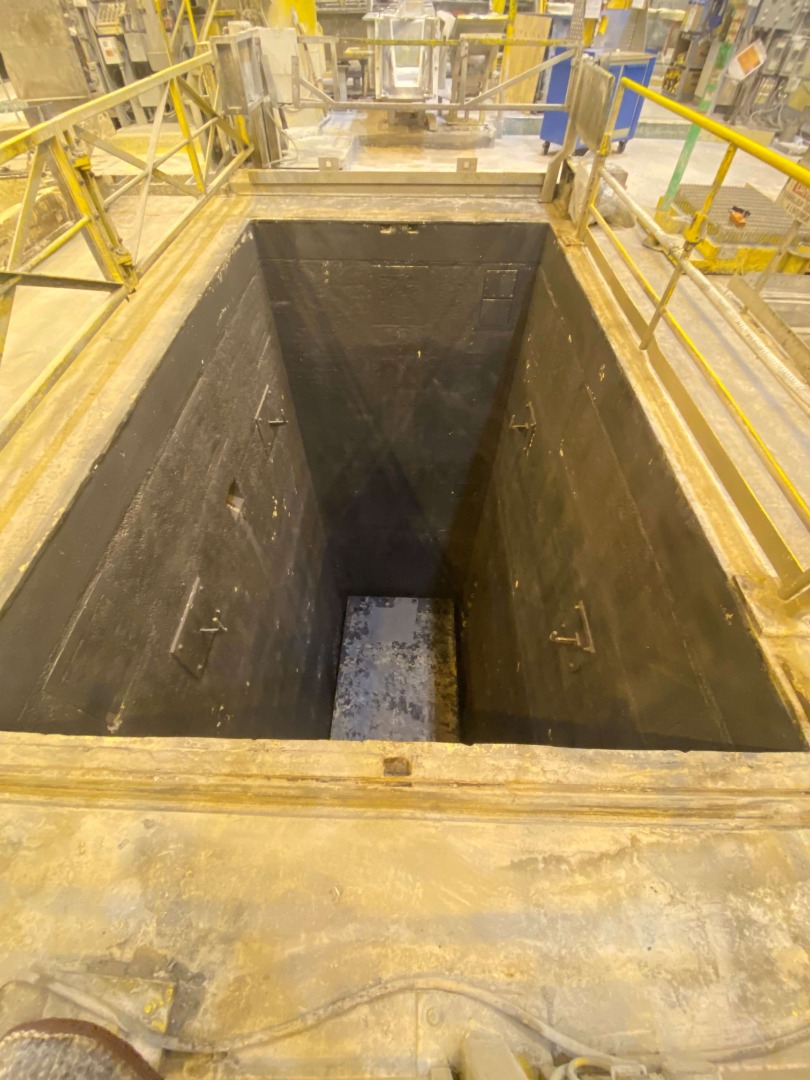
Molten aluminum casting pits experience extreme heat, thermal cycling, and mechanical impact. Protective linings in this service must resist adhesion of process metals, abrasion, and rapid and extreme temperature fluctuations.
Multi-Gard® 955 CP was specified for this purpose, showcasing its verified performance in aluminum casting and quench pit environments. Third-party testing by the Aluminum Association confirms its ability to resist molten metal wetting while maintaining film integrity under repeated thermal stress.
Proven performance around the world
While the three above projects reflect a range of aluminum-industry exposures, other heavy industrial operators depend on Carboline systems for equally demanding conditions across the globe.
Saskatchewan, Canada (2012):
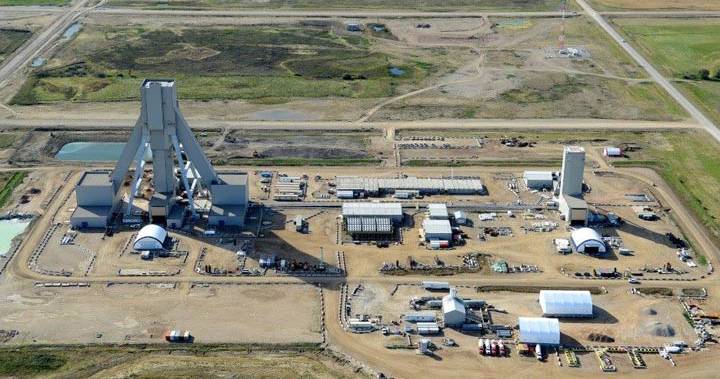
One of the world's most extensive potash operations in central Canada required coating systems that could withstand a severe industrial environment, featuring continuous exposure to brines and other chemicals, as well as a challenging climate with hot, sunny summers and punishing cold and snow in winter.
A high-performance system consisting of Carbozinc 859 and Carboguard® 635 protected structural steel and exterior tanks against atmospheric conditions.
Carbozinc 859 provides galvanic protection through its zinc-rich epoxy formula, minimizing undercutting corrosion in harsh environments. Its unlimited recoat window allows for priming in the shop with topcoat application following in the field, even after extended periods, giving crews greater scheduling flexibility while maintaining long-term performance. Carboguard 635, an immersion-grade epoxy, enhanced corrosion protection in an atmosphere featuring chemical fallout and splash zones.
The high-performance epoxy novolac Phenoline 353 was applied to ferrous metal brine and process tanks under continuous immersion. Its highly crosslinked formula provides strong protection against aggressive cargos, including acidic and high-temperature caustic solutions.
Auckland, New Zealand (2012):
On the other side of the globe, one of New Zealand's largest rock quarries faced a tight holiday shutdown window to fully rebuild and restore an aggregate screen under constant impact and abrasion.
The specified coating system needed to be applied quickly, cured fast, and return to service in just seven days.
Following the rebuild and surface preparation, two coats of Carboguard 635 HAR were applied as a corrosion-resistant primer. Its rapid cure-to-handle times and abrasion-resistant epoxy film created a durable foundation ideal for high-wear areas.
By the next morning, crews applied Carboguard 690, a fast-curing, surface-tolerant phenalkamine epoxy. The system's quick return-to-service allowed the screen to be coated, cured, and ready for operation with time to spare before startup.
Monclova, Mexico (2021):
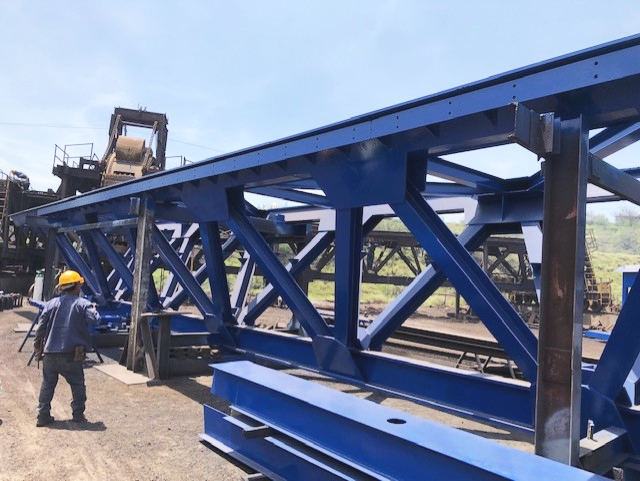
In northeast Mexico, a major steel producer required a two-coat protective system for a newly constructed coke conveyor, constantly subjected to exterior weathering, moderate industrial emissions, and chemical atmospheres. The coatings needed to comply with the facility's "AHMPC-001 Revisión A" specification while also avoiding unnecessary cost escalation.
A self-priming epoxy–polyurethane system met both needs.
Carboguard 890, applied at 6 mils, provided a durable, chemical-resistant epoxy base that eliminated the requirement for a separate primer. Carbothane 134 HG, applied at 4 mils, added long-term weathering, abrasion, and chemical resistance.
The high-performance two-coat system simplified application, provided robust protection, and supported longer maintenance intervals that reduce overall lifecycle costs.
Partners in mining asset performance
Chemical immersion, abrasion, weathering, and thermal shock comprise a potent recipe for premature and very costly asset failure.
Versatile, field-proven products, paired with informed technical support, strengthen an owner's ability to extend asset performance in any environment.
After all, in an industry built on strength, a reliable protective coating partner is among the most important assets an owner can have.